
Synapticart’s operating sectors are currently undergoing programmatic reworking.
Former research
We carried out an important multiannual research work aiming at the technological relocation of the neural networks paradigm in different areas of the visual communication, of arts, design and exhibition areas and of the launch of commercial products. After testing the results of our research, we have published them on Amazon, which has the advantage of addressing the global market in English, in addition to that of not appropriating the copyright, being a sales platform.
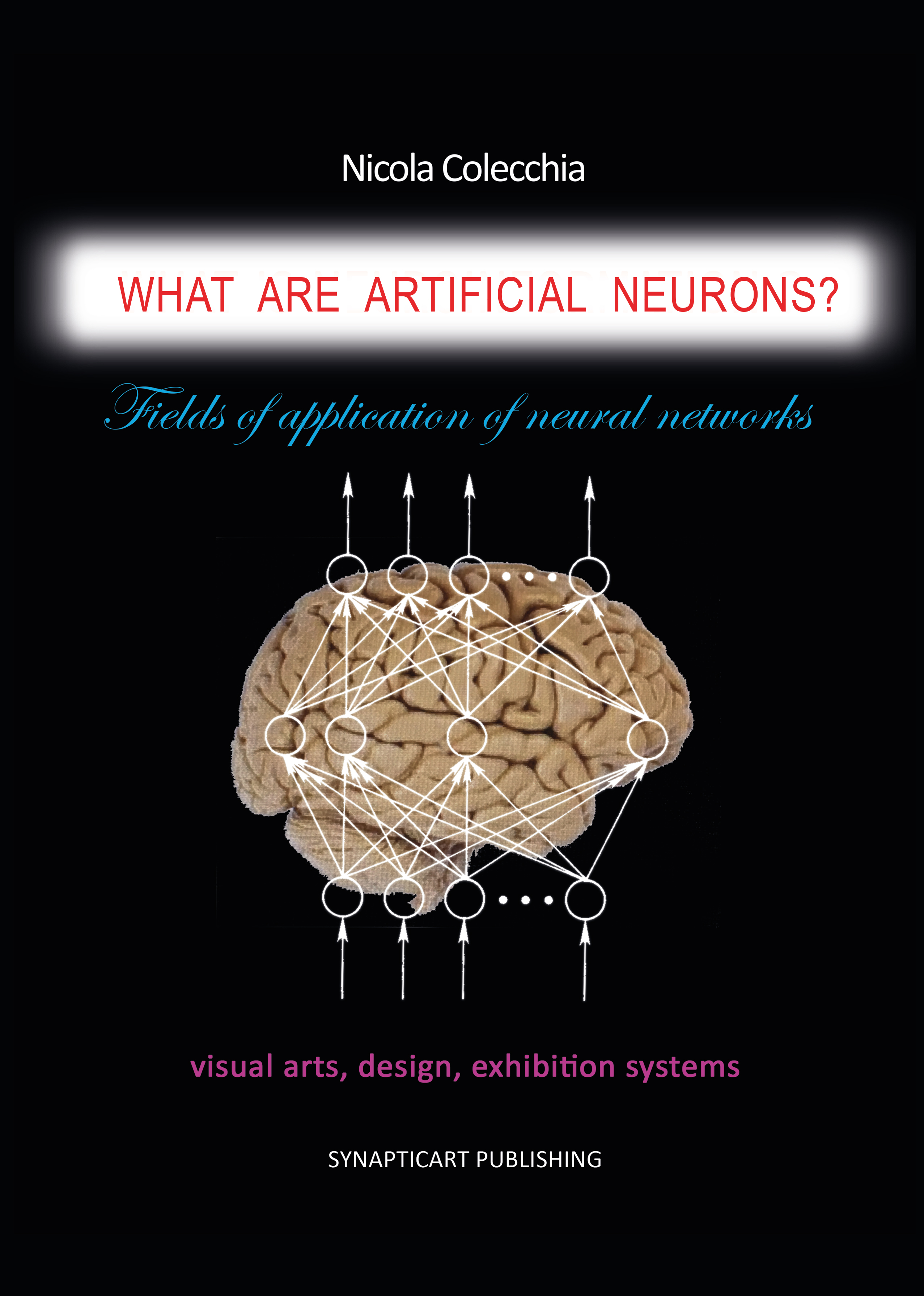
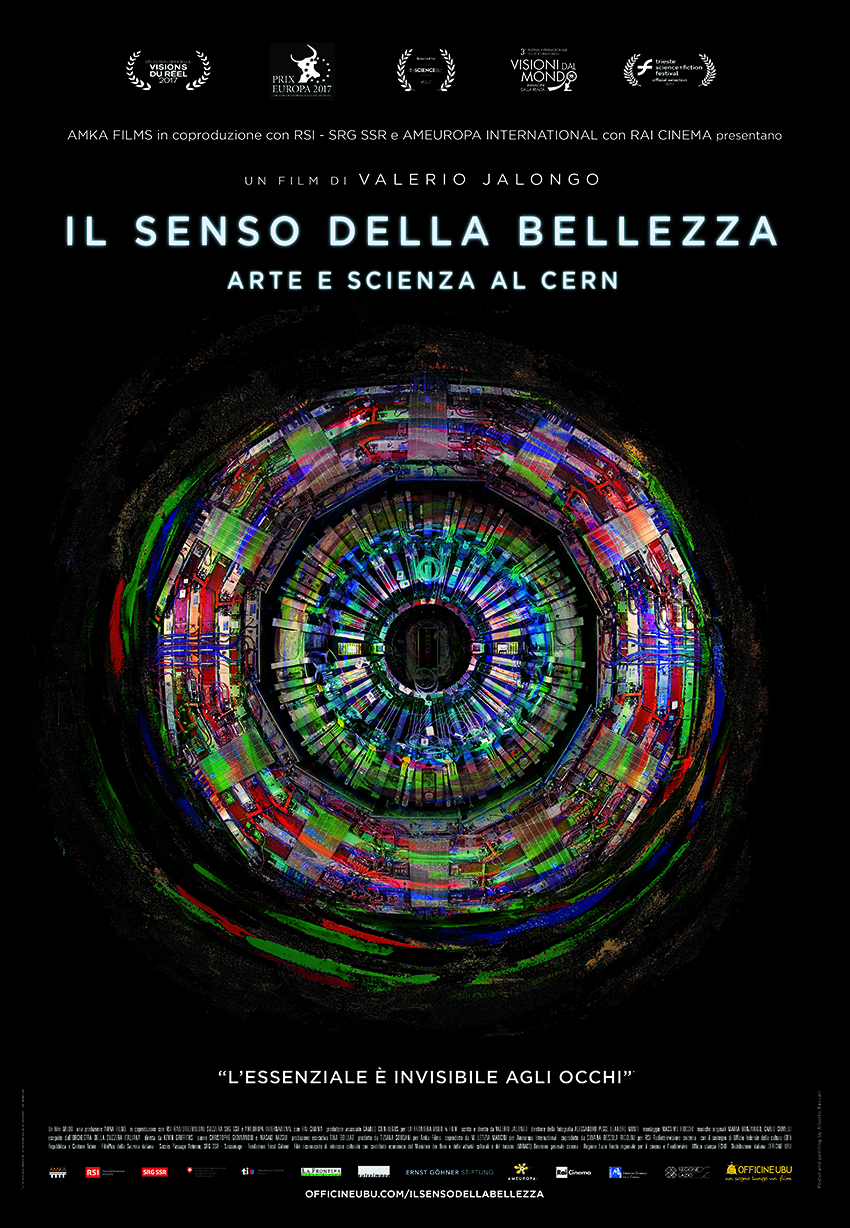
Back in 2000 Nicola Colecchia, founder of Synapticart, first published in Italy a scientific essay on Complexity and the neural networks, in collaboration with mathematician and physician Filippo Zaccardi. The book “La Rottura della Simmetria nella Comunicazione Visiva” (The broken Symmetry in Visual Communication), published by Franco Angeli, deserves the credit of advancing by years the debate about the interaction between art and science, which officially came out in 2017 thanks to CERN physicians, who produced a docufilm about “The Sense of Beauty” (directed by Valerio Jalongo).
In 2012 Colecchia held a cycle of lectures at the Arts and Science Museum G.Matthaes, Milan, entitled “Future scientific scenarios for visual arts”.
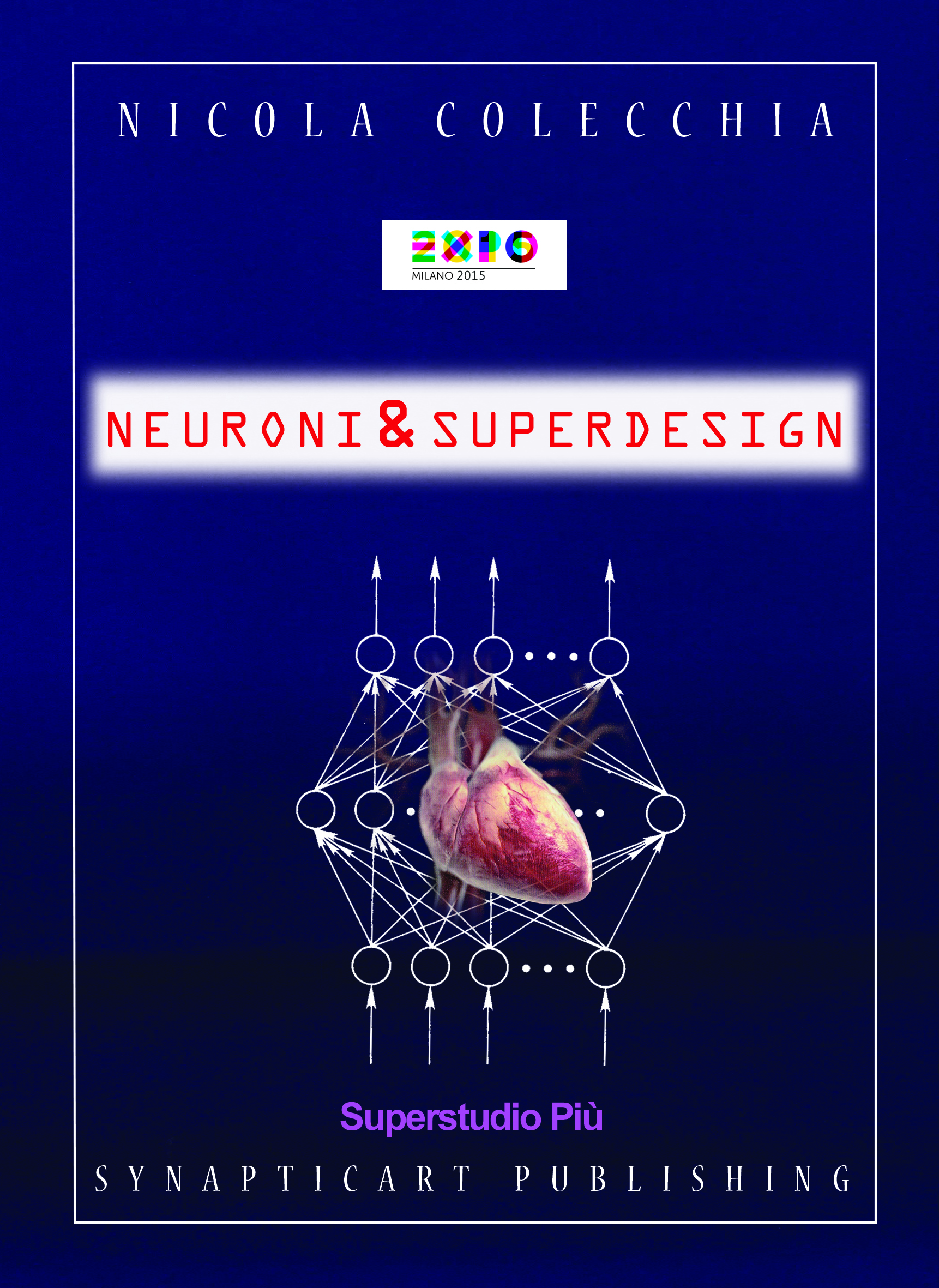
During Expo 2015, Synapticart organized a conference about “Neurons and superdesign” at SuperstudioPiù, Via Tortona, Milano.
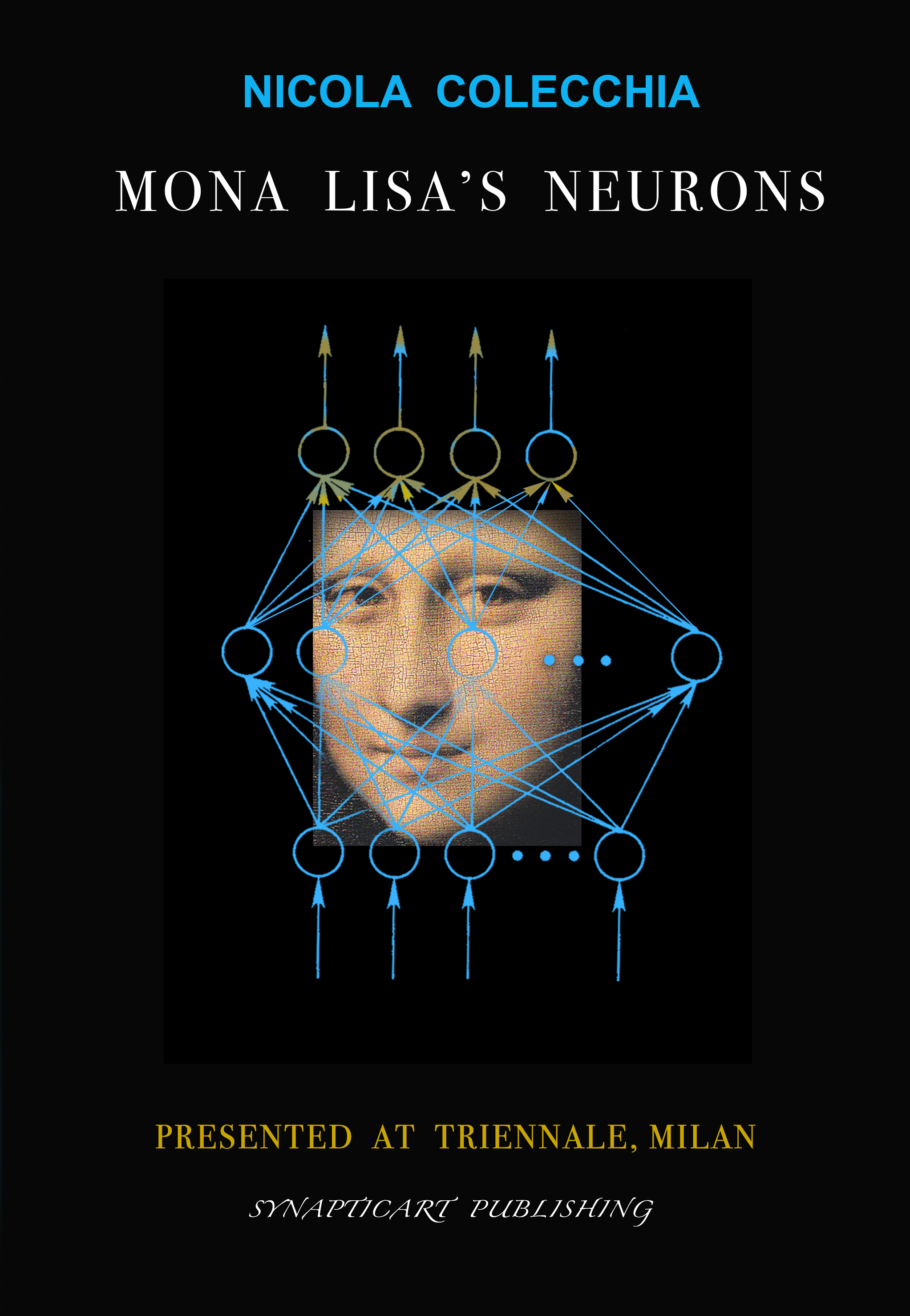
On May 27th 2016, in the occasion of “Expo in the City” at the palimpsest of XXI International Triennale in Milan, the Lab presented the essay “Mona Lisa’s neurons”.
What are the activities of the Laboratory?
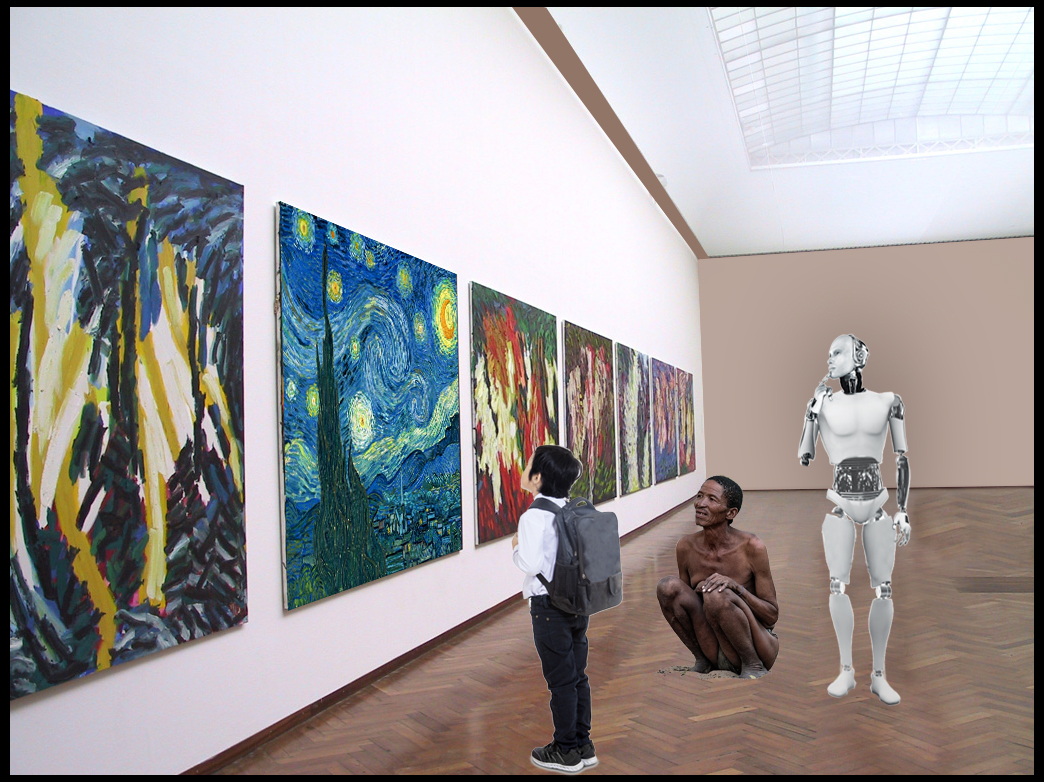
Through computational simulations, researchers operate in three different domains:
- translating objects into maps of artificial neurons in order to test their synaptic resonance with the observer’s biologic neurons.
- analysing known artefacts using the bottom-up procedure in order to unravel aspects and contents from those hidden systems up to that moment;
- they use IMS to identify the deep needs, of biopsychic nature, of the potential customers in the global market. This new line of research on Deep Marketing emerged as a result of subsequent critical analyses on the limits of Neuromarketing, Biomarketing and Instant Marketing.
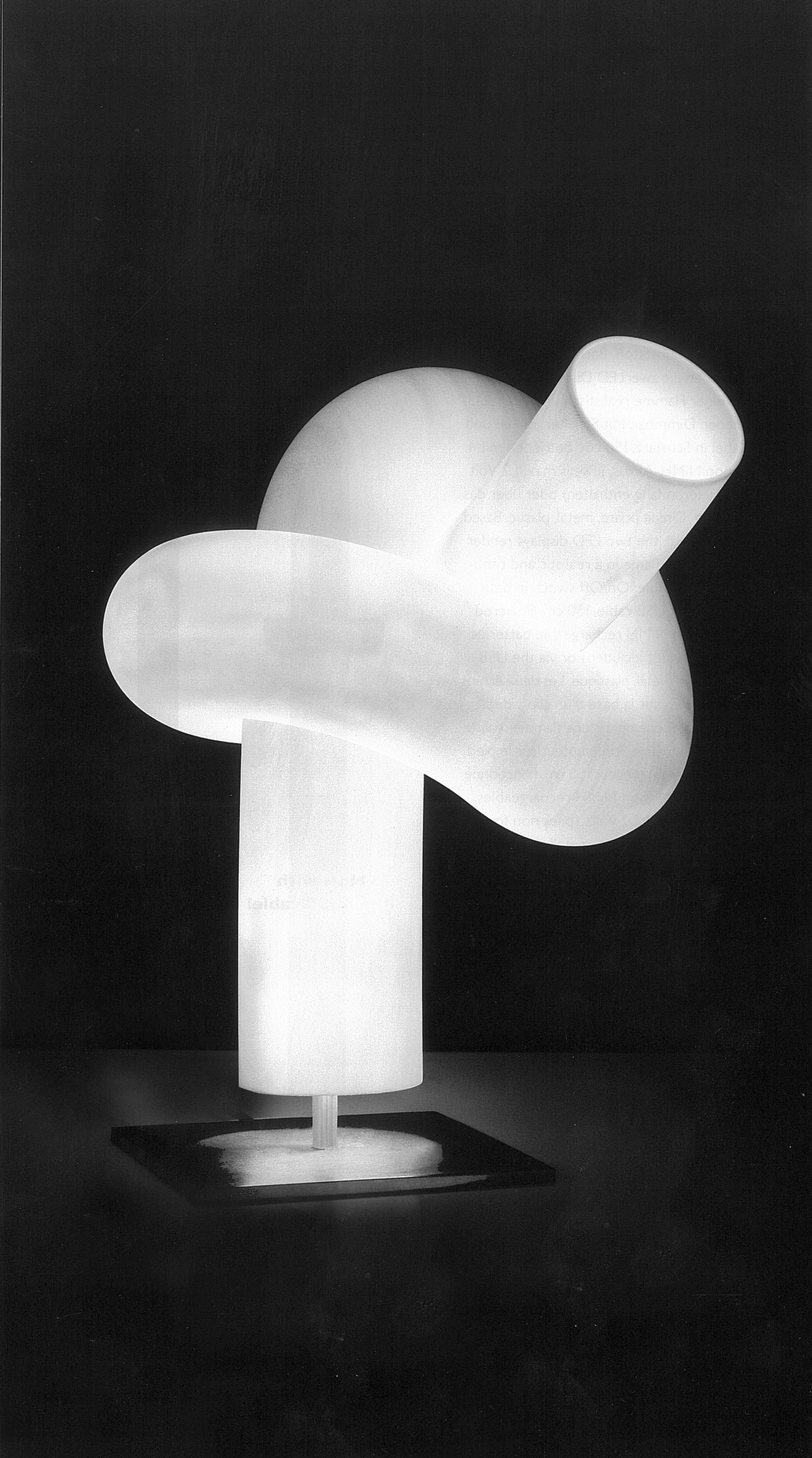
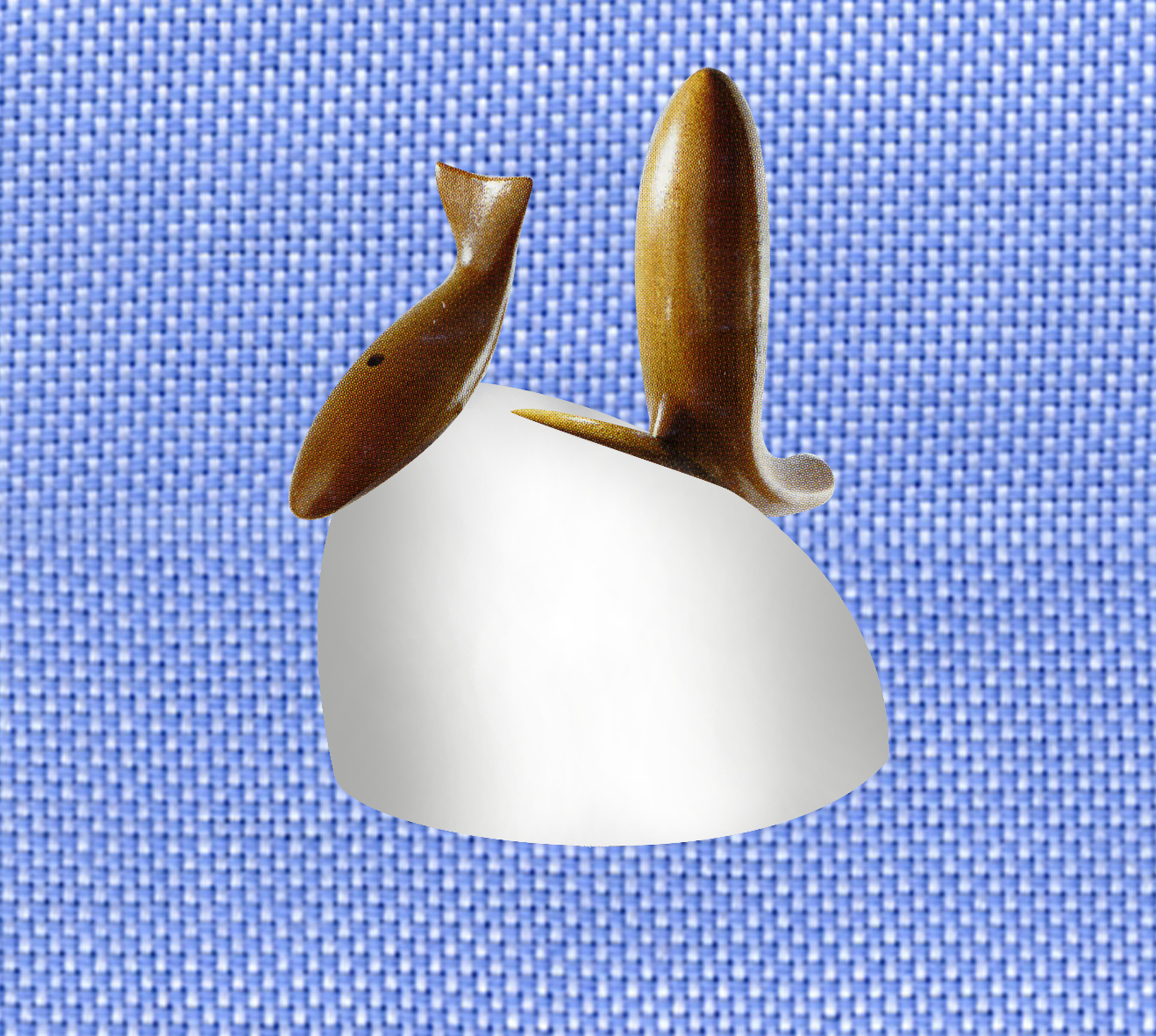
Work in progress
The Laboratory aims to create innovative projects enhancing the scientific and technological competences of its research team:
- interdisciplinarity ( ≠ from multidisciplinarity or contamination);
- creativity as collective intelligence;
- bottom-up elaboration process;
- methodology of planning;
- applications of bioinformatics;
- the discovery of the double code;
- the connective weight of information;
- the connective architectures of the compositional layers of the artifact, the content and the image;
- product analysis and process;
- energy resonance;
- dynamic self-generating systems (deeper than industrial automation);
- cluster analysis.
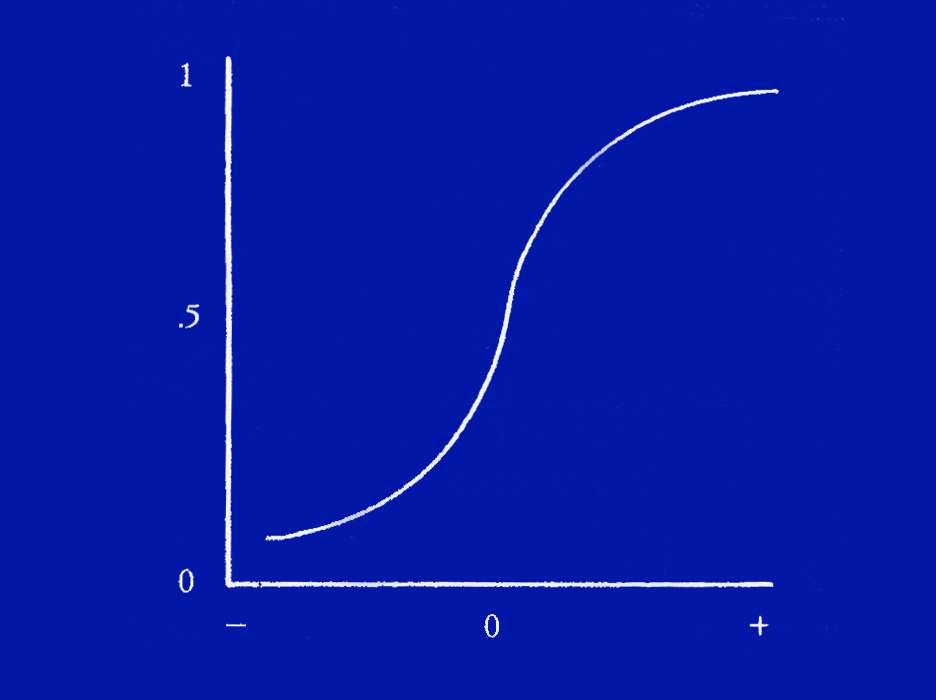
We aim to design poli-functional artefact that evolve progressively according to action plans, linked to each other as compositive units of wider functions. This process is led by the dynamic of self generating neural network.
With regard to exhibition sistems our goal is not to set up spaces to “display” the products, but to “make them come to life” in resonance with the embodied mind of the visitors.
The set of skills indicated, together with the ones of a scientific creativity, constitute the program of an upcoming Master of Higher Education called Laboratory School.